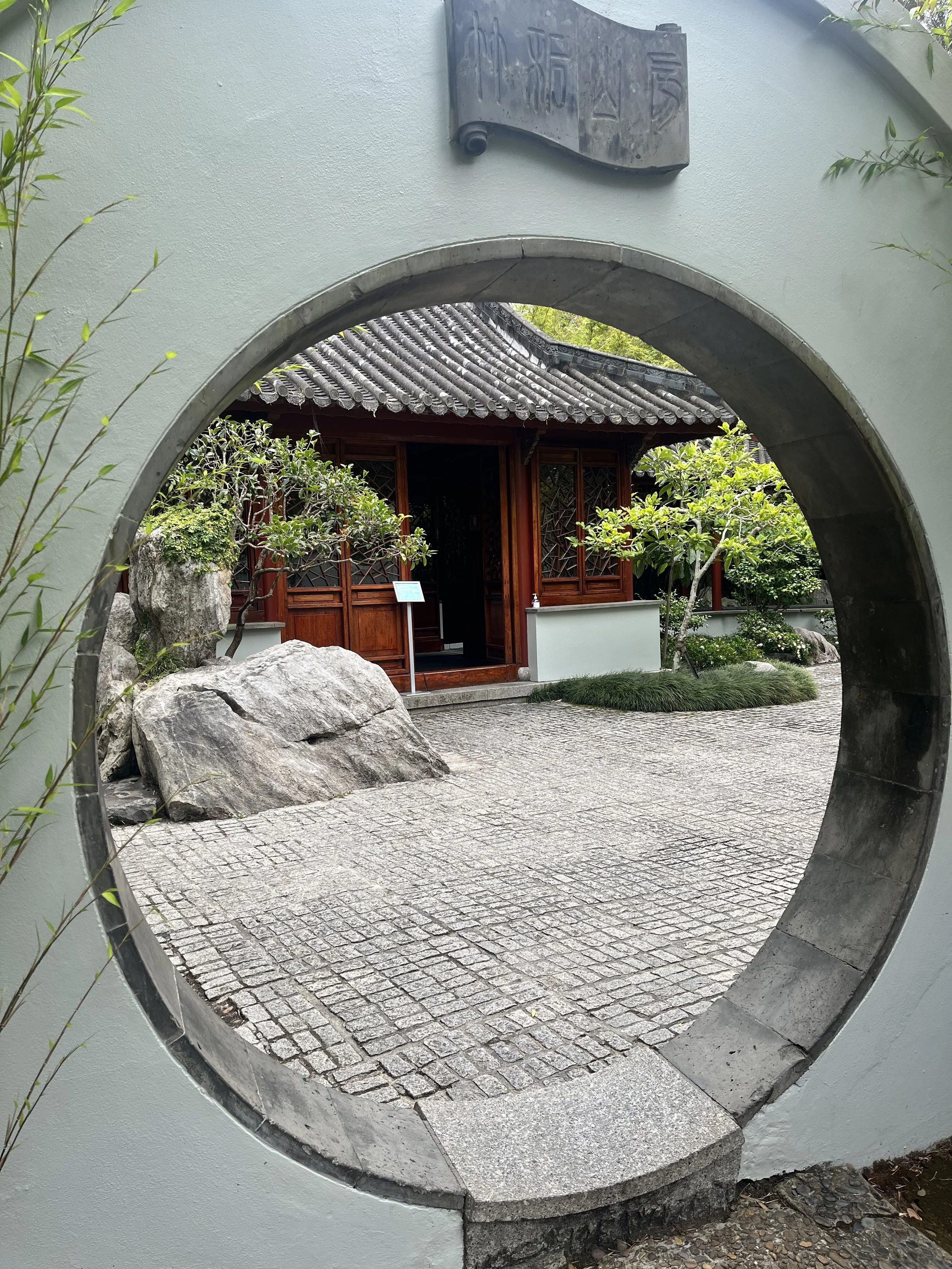
Chinese Gardens of Friendship, in Sydney.
Therapeutic approaches
My therapeutic work is grounded in evidence‑based, trauma‑informed modalities that honour the complexity of each person’s inner world. I draw from several complementary approaches, each offering a different way of understanding how we adapt, protect ourselves, and heal. Together, they create a flexible, responsive framework that can be shaped to your pace, your story, and your cultural and personal context.
Sessions are paced gently and collaboratively. We work together to understand your experiences, strengthen inner resources, and move at a rhythm that feels safe for your nervous system. You’re always in control of the pace and direction of our work. Sessions often weave together reflection, grounding, and evidence‑based approaches.
Therapy with me is paced collaboratively and with care. We begin by getting to know what matters to you, what feels difficult right now, and what supports your sense of safety. You’re always in control of the pace and direction of our work.
My intention is to offer a space where you feel seen, supported, and able to explore your experiences without pressure or judgement.
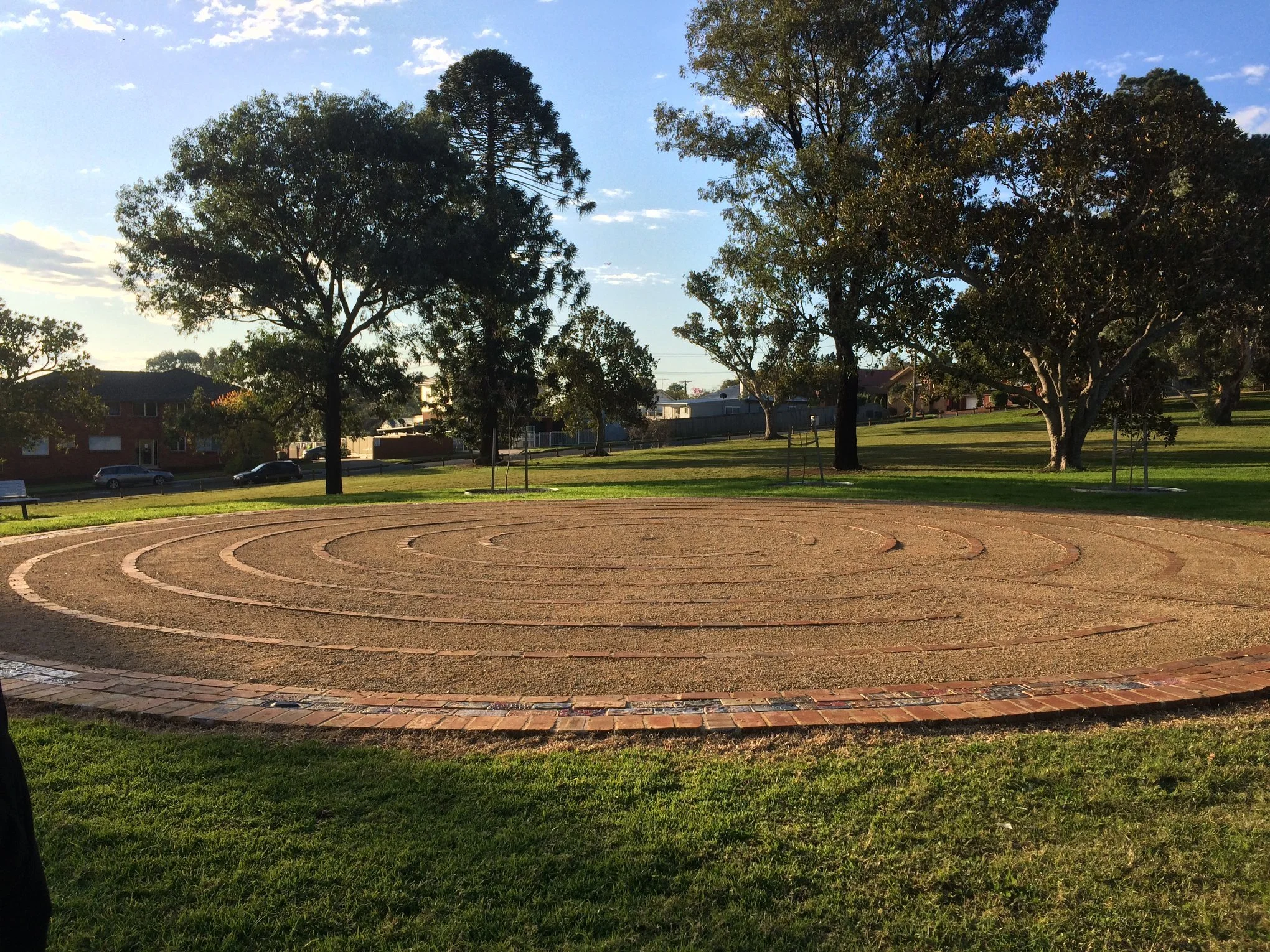
Campbeltown, NSW
Across all modalities, my work is shaped by cultural responsiveness and an awareness of how migration, identity, community, and systemic forces influence our inner landscapes. My aim is to offer a steady, collaborative, and compassionate space where you can explore your experiences with curiosity, reconnect with your strengths, and move toward healing that feels sustainable and true to you.
Sandtray is offered as an optional, creative way of exploring experiences that can be hard to put into words. Using natural sand and carefully chosen miniatures, clients can externalise inner worlds, clarify boundaries, and gently engage with memories, emotions, or parts of self at their own pace. It’s a symbolic and body‑based approach—grounded in touch, movement, and sensory awareness—that helps the nervous system settle while allowing meaning to emerge organically. This work is always paced, respectful, and choice‑based, supporting insight and regulation without pressure or expectation.
Compassion‑Focused Therapy (CFT)
CFT supports people who struggle with self‑criticism, shame, or a harsh inner voice. It helps build an inner stance of warmth, courage, and understanding—qualities that are especially important for those who have learned to survive by being hard on themselves.
Acceptance and Commitment Therapy (ACT)
ACT helps people move toward what matters most, even in the presence of pain or uncertainty. It offers practical tools for grounding, emotional flexibility, and reconnecting with values that can guide meaningful change.
Eye Movement Desensitisation and Reprocessing (EDMR)
EMDR supports the nervous system in processing experiences that were overwhelming, confusing, or left unfinished. It helps the mind and body move from survival responses toward clarity, integration, and a renewed sense of possibility. I use EMDR gently and collaboratively, ensuring that safety, pacing, and grounding guide every step.
Internal Family Systems (IFS‑informed)
I have completed Level 1 training in Internal Family Systems (IFS)
IFS offers a compassionate way of understanding the inner parts of us—those that carry pain, those that protect, and those that hold resilience and wisdom. This approach allows us to meet each part with curiosity rather than judgment, creating space for healing that feels respectful and empowering.